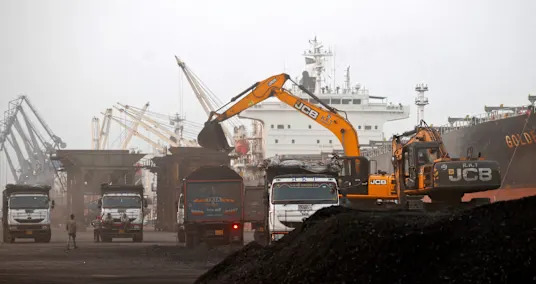
India’s much-delayed 2035 climate plan underestimates the country’s clean energy potential and allows for an acceleration of emissions growth, according to analysts. The plan aims to reduce the emissions intensity of its GDP by 47% from 2005 levels and increase the share of its electricity capacity from nonfossil sources to 60% by 2035.
The reduced carbon intensity target would, however, still allow India’s carbon emissions to increase by 70% over the next decade if GDP grows at a target rate of 7% per year, Lauri Myllyvirta of the Centre for Research on Energy and Clean Air told Semafor. That would translate to emissions growth of 5.5% per year, above the average rate of 3.5% over the past decade.
India is also on track to achieve its clean power capacity target well ahead of time: Its Central Electricity Authority projects that nearly 70% of power capacity will come from nonfossil sources by 2035-36.
“India’s booming clean energy industry is highly likely to deliver much faster progress than policymakers were prepared to commit to,” Myllyvirta said. Disruptions to oil and gas flows caused by the Iran war and the competitiveness of clean energy could strengthen the case for accelerating renewable deployment.
latest_posts
- 1
 What to watch for in weight loss drugs in 2026
 - 2Minute Maid’s frozen juice concentrate is ending after 80 years — and so is a certain kind of kitchen ritual
- 3Are protests pushing Iran's Islamic regime toward a tipping point?
- 4How a Middle East War Becomes a Retail Price Hike
- 5Former 'Bachelorette' welcomes 1st baby via emergency c-section




- How did life begin on Earth? New experiments support 'RNA world' hypothesis
- Ergonomic Office Seats for Work spaces
- South African radio presenter among five charged over Russia recruitment plot
- Insight: Pills, TikTok, weight-loss apps and the consumer-driven future of GLP-1s
- FDA approves Wegovy pill for weight loss: What to know
- Anthony Joshua's driver charged over Nigeria crash that killed two
- 2025 Was Another Exceptionally Hot Year
- Shredded cheese sold in dozens of states recalled due to potential for metal fragment contamination
- EU agrees on agriculture safeguards as fronts harden in Mercosur deal


